

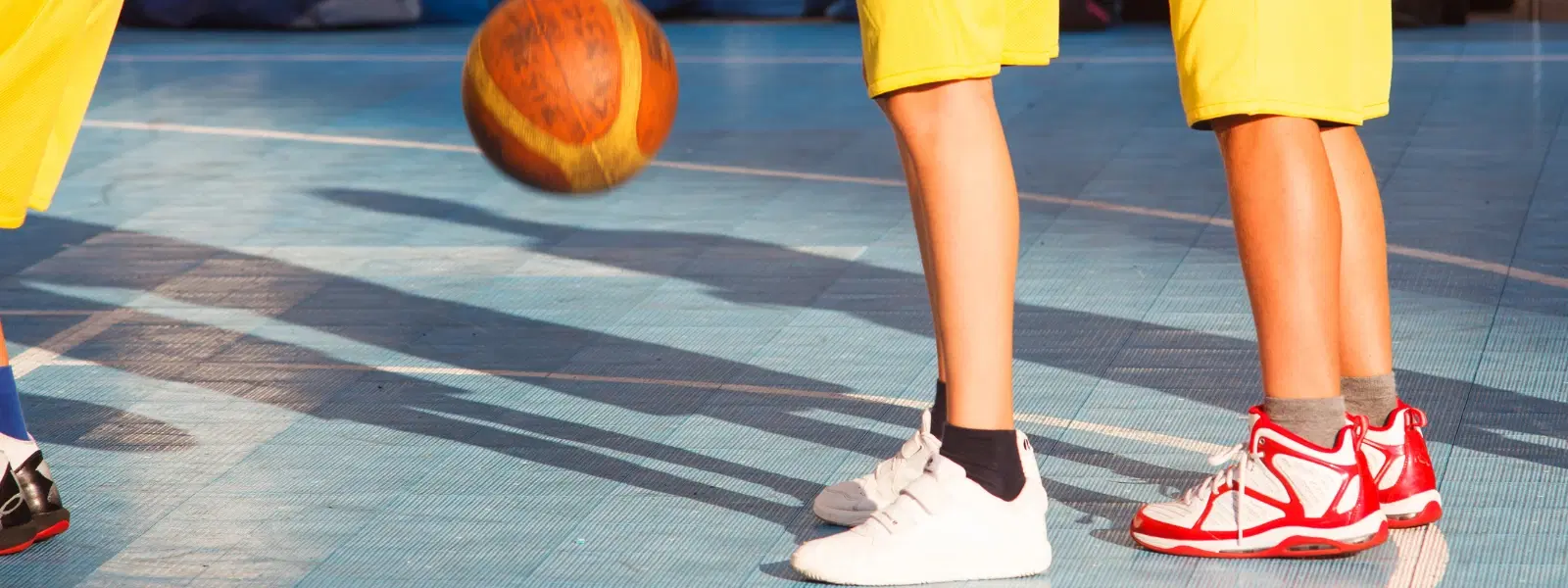
Picture this: fourth quarter, your team is down by two, and you plant your foot for a crossover drive. Your shoe slips. That half-second of lost traction is all it takes. The layup fails, the buzzer sounds, and you walk off wondering whether better footwear would have changed everything. For most players, the answer is yes.
The right basketball shoes are not just accessories. They are performance tools that directly influence how you move, how safely you land, and how long your body holds up through a season. This guide breaks down exactly what to look for so you can make a smarter buying decision.
Why Ankle Support in Basketball Shoes Is Non-Negotiable
Basketball is brutal on ankles. The sport demands rapid lateral cuts, explosive jumps, and sudden stops on hardwood or indoor court surfaces. Without proper ankle support, every one of those movements becomes a risk. Rolled ankles are among the most common basketball injuries, and many of them happen not from freak accidents but from footwear that simply was not built for the demands of the game.
Basketball high ankle shoes were designed specifically to address this vulnerability. The extended collar rises above the ankle joint, limiting excessive inward rolling while still allowing the natural forward flexion you need for driving to the basket. Players who have dealt with chronic ankle instability often find that switching to a high-top design is the single most impactful change they can make.
⭐ Featured Snippet
Basketball shoes with high ankle collars help prevent common basketball injuries by limiting inward ankle rolling during cuts, jumps, and landings. They provide structural support around the joint while preserving the forward flex needed for explosive movement, making them the preferred choice for injury-prone players.
Understanding Court Traction and Why It Separates Good Shoes from Great Ones
Ankle support means very little if your shoes cannot grip the floor. Traction is the mechanical relationship between your outsole and the playing surface, and it governs every single movement you make on the court. Poor traction leads to slipping, which forces your body into awkward compensations that cause both performance drops and injury risk.
The outsole pattern matters enormously. Herringbone patterns remain the gold standard for basketball because they grip from multiple angles, making them effective whether you are pushing off forward, cutting left, or planting for a jump shot. Multidirectional patterns with deep grooves also perform well on clean indoor surfaces. Flat or shallow outsoles wear down quickly and offer inconsistent grip, which is a liability in competitive play.
Key tip: Clean your outsoles between games. Dust and debris on the court surface coat the rubber and dramatically reduce grip. A quick wipe with a damp cloth restores traction almost immediately and extends the life of the outsole pattern.
Basketball Indoor Shoes vs. Outdoor Shoes: Choosing the Right Surface Match
Not all basketball shoes perform equally across surfaces. Basketball indoor shoes are engineered for smooth hardwood or synthetic court floors. Their outsoles use softer rubber compounds that maximize grip on clean, sealed surfaces but wear down rapidly on rough asphalt or concrete. Using indoor-specific shoes outdoors is one of the fastest ways to destroy traction and reduce the life of a quality pair of shoes.
Outdoor basketball shoes feature harder rubber that withstands abrasion from rough surfaces, but that same hardness reduces the grip sensitivity you get on indoor courts. If you play both settings, consider maintaining two pairs, one optimized for each surface. The investment pays off in both performance and shoe longevity.
For players who compete primarily indoors on gym floors and competition courts, prioritizing basketball indoor shoes with premium grip rubber and a well-designed outsole pattern will yield the most consistent performance.
Cushioning and Midsole Technology: The Foundation Under Your Game
Support and traction sit on top of another critical layer: cushioning. The midsole absorbs impact every time you land from a jump, and basketball players can land thousands of times in a single game. Inadequate cushioning transfers that force directly to your knees, hips, and lower back over time.
Modern basketball shoes use foam compounds like EVA or proprietary responsive foams that compress on impact and return energy to push you into your next movement. Some designs layer firmer foam at the heel for stability with softer foam at the forefoot for responsiveness. When evaluating a pair, press your thumb into the midsole. It should feel firm enough to resist full compression but soft enough to give noticeably under pressure.
Heel counter stiffness also plays a role here. A rigid heel counter locks the foot in place inside the shoe, working together with ankle collar height to give your joint a stable environment even during aggressive play.
Practical Tips for Choosing Basketball Shoes That Last
Choosing the right pair starts with knowing your own game and body. Guards and quick perimeter players often prioritize lightweight construction and responsive cushioning. Forwards and centers who operate in physical post situations tend to benefit more from maximum ankle support and durable cushioning for repeated jump-and-land sequences.
Always try basketball shoes on at the end of the day when your feet are slightly swollen, which mirrors how they will feel mid-game. Lace them fully and mimic court movements in the store. There should be no heel slippage and no pinching across the widest part of your foot. A thumbnail of space at the toe prevents black toenails from repeated forward pressure during play.
Replace shoes when the midsole foam no longer springs back or when the outsole tread becomes shallow. Many players wait too long, continuing to use shoes that look fine from the outside but have lost their structural integrity entirely.
Make Your Move: Choosing Shoes That Elevate Every Possession
The difference between a good basketball player and a great one often comes down to the details, and footwear is one detail with direct, measurable impact on both safety and performance. Prioritizing ankle support through high-top construction, matching your shoes to your court surface, and understanding what responsive cushioning feels like puts you ahead of most recreational and competitive players who simply grab whatever looks good.
Your next step is straightforward: assess your current shoes honestly. If the tread is shallow, the foam feels dead, or your ankles feel unsupported during play, it is time to upgrade. Start by exploring a purpose-built collection designed for the demands of the sport.
What feature matters most to you when buying basketball shoes: ankle support, traction, or cushioning? Drop your answer and let the conversation help other players make a smarter choice.